Your basket is empty
Looks like you haven't added anything to your basket yet


Do You Really Need a Meat Slicer at Home? A UK Buyer's Guide
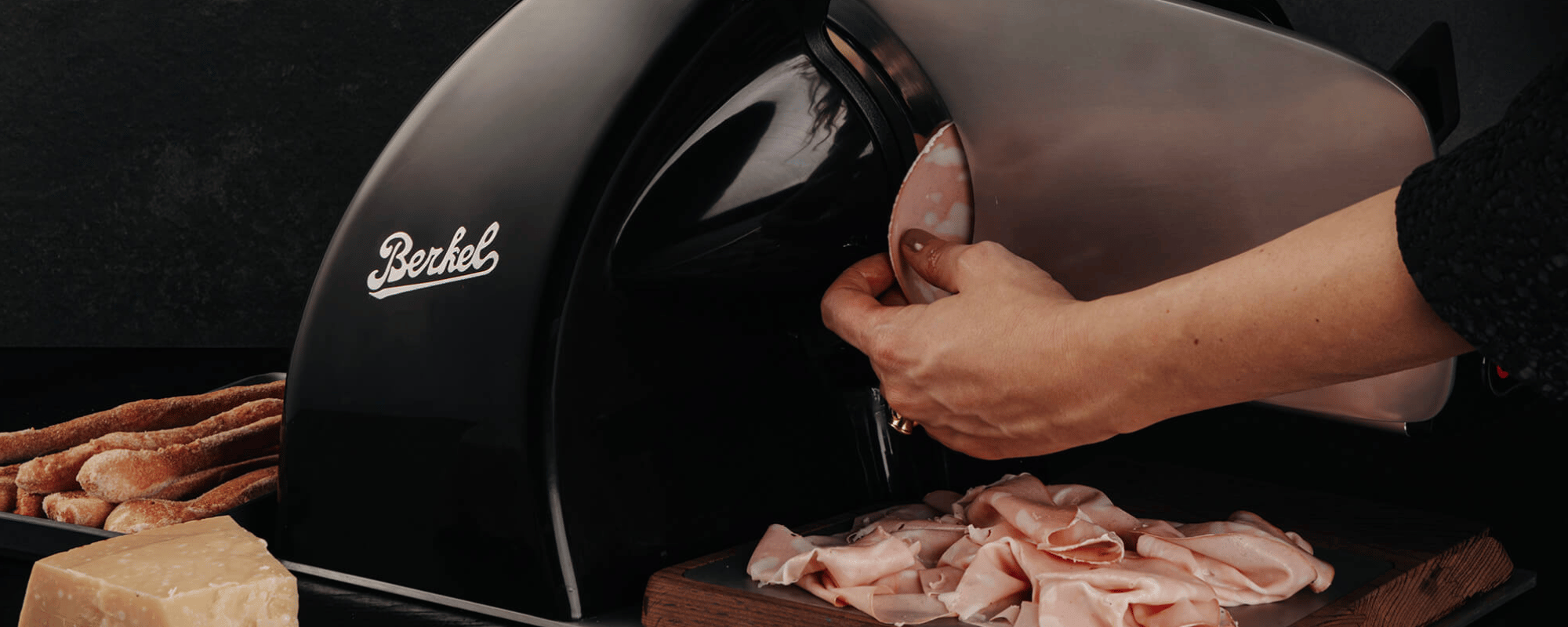
For many people in the UK, the first reaction to seeing a home meat slicer is simple.
Why would I need one of those? I can just use a knife.
A good knife will always have a place in the kitchen. But for anyone who regularly buys cooked meats, enjoys salami and charcuterie, prepares Italian sausages, smokes food, bakes bread, or simply likes preparing food properly at home, a slicer can become one of the most useful appliances you own.
Knife vs Meat Slicer: What's the Real Difference?
A knife relies on hand pressure and angle. Even with a sharp blade, it is difficult to keep slices even, especially with cooked meats, cured meats, salamis, Italian sausages, cheese, or fresh bread.
A meat slicer removes that effort. It delivers consistent slices at your chosen thickness every time, improving presentation, helping food cook evenly, and making preparation quicker and less tiring. Thin, even slices also change how flavour, fat, and texture are experienced, particularly with cured meats and charcuterie, where slice thickness directly affects taste and mouthfeel.
Is a Meat Slicer Worth It for Home Use?
Modern home slicers are very different from the bulky commercial machines many people imagine. Today's slicers designed for home kitchens are compact enough for typical UK worktops, stable, quieter than most people expect, and straightforward to clean and maintain.
If you enjoy cooking, entertaining, or preparing food from whole cuts rather than relying on pre-sliced supermarket packs, a slicer starts to make a lot of sense.
Can a Home Meat Slicer Save You Money?
This is often where opinions change.

Whole joints of ham, beef, or turkey are usually far cheaper per kilo than pre-sliced meats, so buying better quality while spending less overall is straightforward. Pre-sliced meats dry out quickly once opened; with a slicer you cut only what you need and keep the rest fresh for longer, reducing food waste. Whole salamis, Italian cured sausages, and larger pieces of cheese also offer far better value than small packs. For households that buy cooked meats or charcuterie regularly, the savings build up quickly.
Are Meat Slicers Useful for BBQ and Smoking?
Home meat slicers are a natural fit for people who enjoy BBQ and smoking food.

After hours of slow cooking or curing, meats like brisket, pastrami, bacon, pork belly, smoked ham, or homemade sausages can be difficult to slice neatly with a knife. A slicer produces clean, even slices that show off the texture, smoke ring, and finish you have worked hard to achieve.
Being able to adjust slice thickness makes a real difference when serving different BBQ cuts: thin slices for cured meats, thicker slices for brisket, or neat slices for sandwiches and sharing boards. Leftovers are also far easier to handle.
What About Bread and Sourdough?
Many people are surprised to learn that home slicers can also be used for bread. When fitted with an optional serrated blade, a slicer cuts cleanly through crusty loaves, sourdough, focaccia, and homemade bread without squashing the soft crumb inside, giving evenly sized slices that are difficult to achieve with a standard bread knife.
This is especially useful for anyone baking bread at home or buying artisan loaves.
Is It Only for Meat?
A home slicer is also useful for cheeses for sharing boards and cooking, salamis and Italian cured sausages, cooked poultry, vegetables for gratins and bakes, and bread and sourdough when using a serrated blade. It becomes a versatile preparation tool rather than a single-use gadget.
Are Home Meat Slicers Safe?
Modern home slicers are designed with everyday use in mind. They are stable, predictable, and include sensible safety features such as blade guards and non-slip bases.
Many models are supplied with a blade removal tool, allowing the blade to be removed safely for cleaning and maintenance without direct contact. When used correctly, a slicer can feel more controlled and secure than freehand knife slicing.
Choosing the Right Berkel Slicer for Your Home
Berkel is a brand associated with precision slicing for over a century, with roots dating back to the invention of the first mechanical slicer in the late 19th century. Their home ranges bring that expertise into everyday kitchens without unnecessary complexity.
Berkel Icon Line Slicers

The Berkel Icon Line is the most compact option in the Berkel home range. With a 170mm chromed steel blade and 18 thickness settings from paper-thin up to 18mm, it handles charcuterie, cooked meats, vegetables and everyday ingredients without taking up much worktop space. A good starting point for anyone new to home slicing or working with a smaller kitchen.
Berkel Home Line Plus Slicers

The Berkel Home Line is suited to most UK households. It delivers professional-level results in a compact format that is easy to use day to day. With adjustable thickness across 18 settings, it handles fine slices for salami and charcuterie through to thicker cuts for cooked meats, sausages, and sandwiches. It works well for everyday cooking, entertaining, sharing boards, and bread slicing when fitted with the appropriate blade.
Berkel Red Line Slicers

The Berkel Red Line offers extra power and capacity for keen home cooks, BBQ enthusiasts, and anyone slicing larger joints, salamis, or cured sausages more frequently. With adjustable thickness across 14 settings, it provides excellent control while remaining practical in a home kitchen.
Berkel Slicer Accessories
A few accessories are worth considering alongside the slicer itself. A blade sharpener keeps cutting performance consistent over time, and a cleaning kit makes routine maintenance straightforward. Ash wood cutting boards are available for both the Home Line and Red Line, and dust covers are a practical option if the slicer will sit on the worktop between uses. You can browse the full Berkel slicer accessories range for the complete selection.
If you are trying to decide between specific models, our full Berkel slicer comparison guide covers blade sizes, motor specs, transmission types and a model-by-model breakdown.
Important UK Buying Considerations
When buying a meat slicer in the UK, there are a few sensible things to check.
- Always ensure the slicer is supplied with a UK specification three-pin plug, ready to use without adapters.
- Buying from a UK retailer gives reassurance if you need advice, accessories, or after-sales support.
- Look for models with sensible safety features and a blade removal tool to make cleaning easier and safer.
- Home slicers are designed specifically for home kitchens and are easier to use and live with than catering equipment.
Do You Really Need One?
A slicer is not for everyone. It takes up space, costs more than a knife, and works best when used regularly. For people who value presentation and consistency, buy whole cuts, or slice charcuterie and smoked meats at home, those trade-offs are quickly outweighed by the results.
If you would like help choosing between the Berkel Icon Line, Home Line, and Red Line, or want advice on blades and accessories for charcuterie, BBQ, bread, or everyday cooking, get in touch.
- Choosing a selection results in a full page refresh.