Your basket is empty
Looks like you haven't added anything to your basket yet


Perforated Pizza Peels
A perforated peel has holes through the blade so surplus flour and semolina fall away as you carry the pizza, instead of going into the oven with it and burning onto the stone. That gives you a cleaner oven floor and a base that tastes of dough rather than scorched flour. We stock perforated peels in anodised aluminium and stainless steel, with round, square and rectangular blades and handles from 30cm to 150cm.
Blade Shape
Round suits round pizza, with less blade sitting outside the dough to catch on the oven mouth, and it is the shape to buy for Neapolitan bases. Square carries more surface under the dough, so it holds a wide or slack base together better. Rectangular is for pizza al metro and al taglio.
Blade Size
Choose a blade slightly larger than the pizza you make most often. 33cm covers pizzas up to about 12 inches and suits most home pizza makers, 36cm takes you to about 14 inches, and 41cm to about 16 inches for larger garden ovens and commercial work.
Handle Length
This is the choice people get wrong, because a long handle feels safer and is usually the wrong call. 30cm is for compact countertop ovens with a shallow chamber, the Ooni Koda 12, Gozney Roccbox and ZiiPa Piana among them. 60cm suits larger garden ovens and smaller commercial pizza ovens. 120cm and 150cm are for full-depth wood-fired and pizzeria ovens, where the fire sits beside the bake.
What We Stock
Most of this collection is Cerutti Inox, made in northern Italy since 1960, across the Smart, Tulip, Tough and 60th Anniversary ranges. Alongside them is the ZiiPa Aquila, a 30.5cm perforated stainless steel peel on a beech handle. If you would rather launch off wood, see our wooden peels.
Once the pizza is in, you need a different tool to move it: see pizza turning peels. Our guides cover perforated versus solid and peel versus turning peel.
ZiiPa Aquila: Perforated Pizza Peel with Beech Handle


ZiiPa Aquila: Perforated Pizza Peel with Beech Handle
- Price
- £38.95
Cerutti Inox Tulip Square Perforated Pizza Peel


Cerutti Inox Tulip Square Perforated Pizza Peel
- Price
- From £95.95
Cerutti Inox Tulip Round Perforated Pizza Peel


Cerutti Inox Tulip Round Perforated Pizza Peel
- Price
- From £95.95
Cerutti Inox 60th Anniversary Tough Pizza Peel 33cm
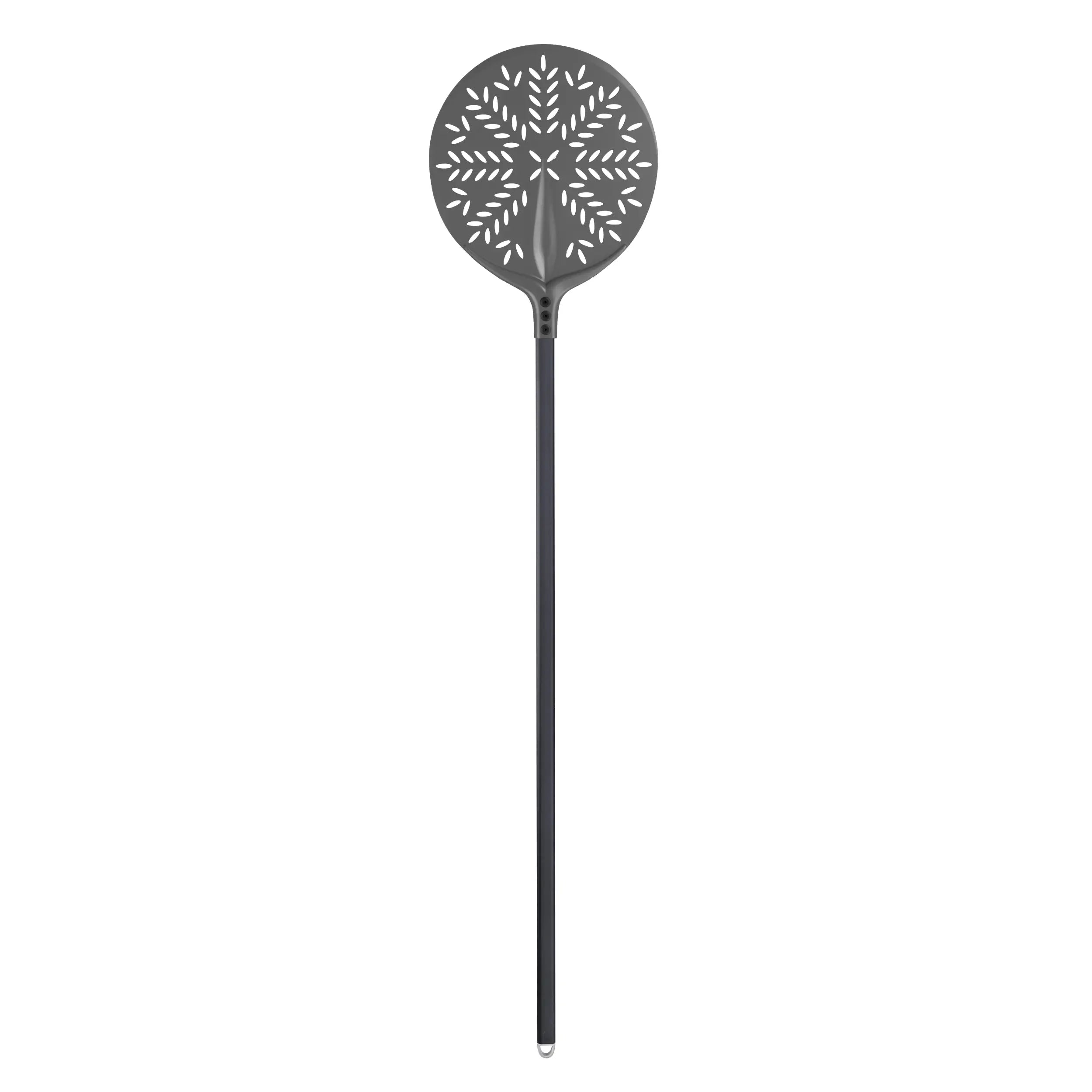

Sale

Cerutti Inox 60th Anniversary Tough Pizza Peel 33cm
- Price
- From £158.36
Cerutti Inox Tough Hard Anodised Perforated Pizza Peel 33cm
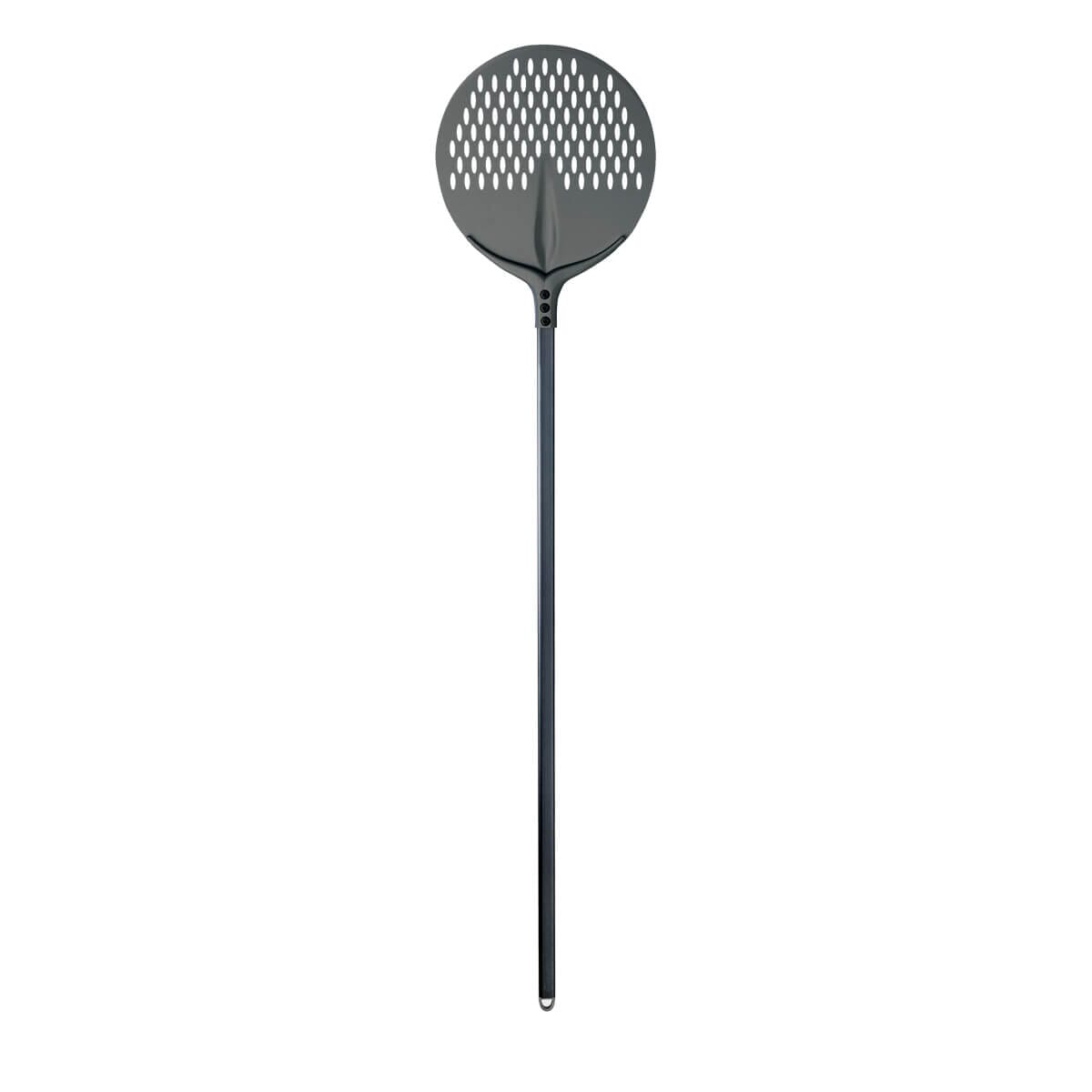


Cerutti Inox Tough Hard Anodised Perforated Pizza Peel 33cm
- Price
- From £158.95
Cerutti Inox Tulip Rectangular Perforated Pizza Peel 30 x 60cm
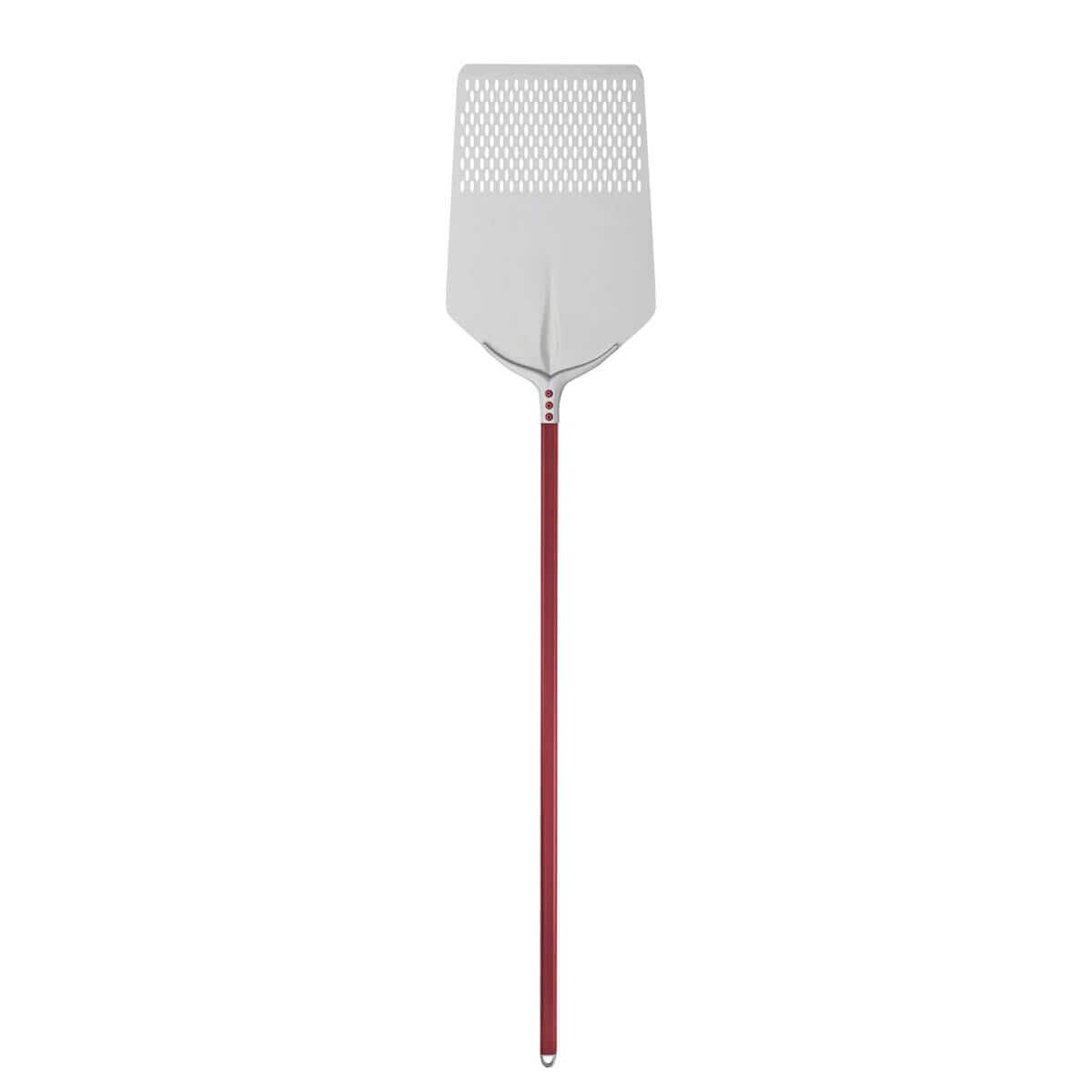
Sold out
Cerutti Inox Tulip Rectangular Perforated Pizza Peel 30 x 60cm
- Price
- £192.50
Cerutti Inox Smart Perforated Square Pizza Peel
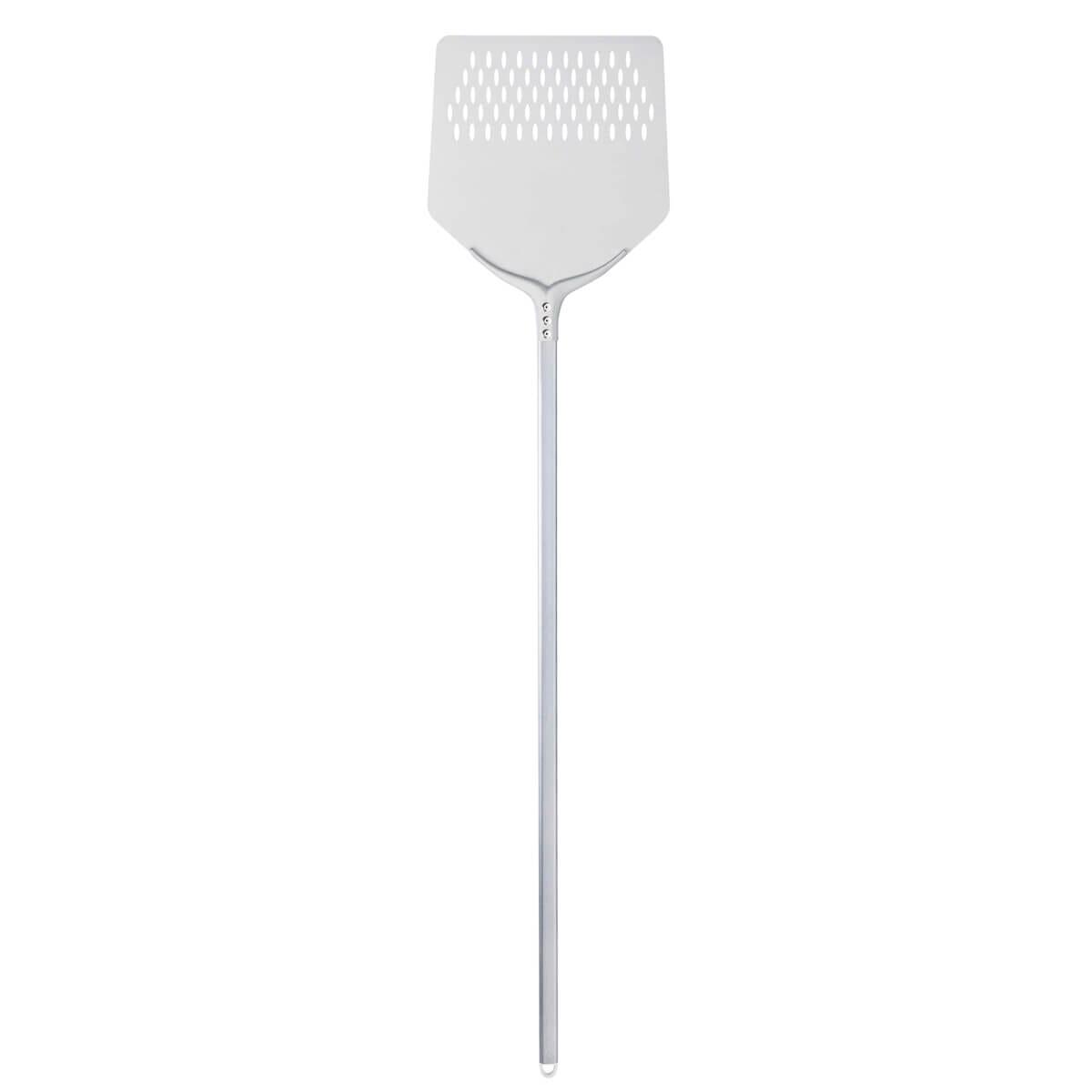


Cerutti Inox Smart Perforated Square Pizza Peel
- Price
- From £37.95





See What Our Customers Think
- Choosing a selection results in a full page refresh.